
Heel pain in the morning is most often caused by plantar fasciitis, an irritated band of tissue under the foot that stiffens overnight and protests when you take your first steps. Other common causes include a tight Achilles tendon, heel spurs, a bruised heel pad and flat or unsupported feet. The pain usually eases as you warm up, which is a useful clue. Most cases improve with stretching, supportive footwear and well designed orthotic insoles, but severe or persistent pain should be assessed by a podiatrist or GP.
In this article
- Why does my heel hurt when I get out of bed?
- What are the 5 most common causes of morning heel pain?
- How can I tell the causes apart?
- What helps morning heel pain?
- Can orthotic insoles help?
- When should I see a podiatrist or doctor?
- Frequently asked questions
Why does my heel hurt when I get out of bed?
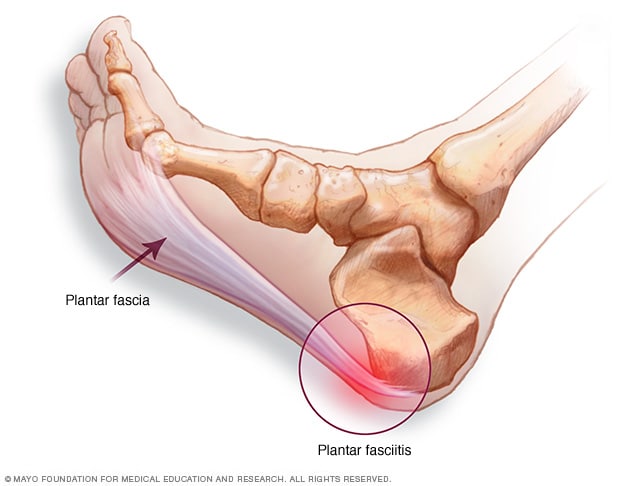
While you sleep, your feet usually rest with the toes pointed down. That position lets the plantar fascia (the thick band running from your heel to your toes) and the calf and Achilles tendon shorten and tighten. When you stand, your body weight suddenly stretches those tissues, and that sharp pull is what you feel as stabbing or bruise-like heel pain.
After a few minutes of walking, the tissue warms up and the pain often settles. It can return after long periods of sitting, or at the end of a day on your feet. That "worst first, then better, then worse again" pattern is a classic sign of plantar fasciitis. Our plantar fasciitis guide covers it in more detail.
What are the 5 most common causes of morning heel pain?
1. Plantar fasciitis
The most common cause. Repeated strain irritates the plantar fascia where it attaches to the heel bone. Risk factors include long hours standing, running, unsupportive shoes, carrying extra weight and flat or high arches.
2. A tight Achilles tendon or calf
Tight calves pull on the back of the heel and increase strain through the foot. If the pain sits at the back of the heel rather than underneath, it may be Achilles-related. See our page on Achilles tendonitis.
3. Heel spurs
A heel spur is a small bony growth on the underside of the heel bone. Many people have spurs without any pain, and the pain is often coming from the soft tissue around the spur rather than the spur itself.
4. Heel fat pad irritation
The natural cushioning under your heel can thin or become bruised, especially with hard surfaces, barefoot walking or high impact activity. The pain is usually felt in the centre of the heel.
5. Flat feet or over-pronation
When the arch collapses inward, extra tension is placed on the plantar fascia with every step. Read more about flat feet and how arch support can help.
How can I tell the causes apart?
This table is a general guide only. A podiatrist can confirm what is going on.
| Cause | Where it hurts | Typical pattern |
|---|---|---|
| Plantar fasciitis | Underside of the heel, sometimes into the arch | Sharp on first steps, eases, returns after rest |
| Achilles tightness | Back of the heel | Stiff and tender in the morning, worse with activity |
| Heel spur | Underside of the heel | Often overlaps with plantar fasciitis |
| Heel fat pad irritation | Centre of the heel | Bruise-like, worse on hard surfaces |
| Flat feet or over-pronation | Arch and heel | Aching that builds with standing and walking |
What helps morning heel pain?
Most people improve with a combination of simple steps, applied consistently for several weeks:
- Stretch before you stand. Before getting out of bed, gently pull your toes towards you and circle your ankles for 30 to 60 seconds. Calf stretches during the day also help.
- Do not go barefoot first thing. Slip on supportive footwear or orthotic fitted shoes before your first steps.
- Wear supportive shoes. Choose shoes with good arch support and a firm heel, and replace worn out pairs.
- Ease off aggravating activity. Reduce running and high impact exercise while the heel settles, then build back gradually.
- Support the arch. Well designed orthotic insoles help spread load through the foot and reduce strain on the plantar fascia.

Podiatrist designed arch support, a stabilising heel cup and a metatarsal dome to ease pressure under the ball of the foot, plus EVA cushioning for all-day comfort.
Can orthotic insoles help?
For heel pain linked to plantar fasciitis, flat feet or over-pronation, orthotic insoles are a well recognised part of self care. The AAOS notes that orthotics can help support the foot and take pressure off painful areas. Insoles will not fix a calf that is very tight, so they work best alongside stretching and sensible footwear. If your heel pain is more general or hard to pin down, insoles are still a low risk first step for many people.
SOLE5 insoles are designed by Australian podiatrists and are included in the Australian Register of Therapeutic Goods (ARTG 441576) as a Class 1 medical device. The Full Length Orthotic Insoles combine arch support, a stabilising heel cup and a metatarsal dome. If you mostly wear slimmer work or casual shoes, the Half Length option slips in and out more easily.

Easy to slip in and out of your everyday shoes, with podiatrist-designed support where you need it.
Want support in every pair? The Bundle & Save ($195 AUD) includes both lengths, or you can browse the full range.
When should I see a podiatrist or doctor?
Book an appointment if your heel pain is severe, follows an injury, has lasted more than a few weeks despite home care, or comes with swelling, redness, numbness, tingling or fever. Pain that wakes you at night also deserves a proper assessment. Self-care is a starting point, not a substitute for individual advice.
Frequently asked questions
Why does my heel hurt most with the first steps of the day?
Overnight, the plantar fascia and calf muscles tighten while your foot rests. The first steps suddenly stretch them under body weight, which causes sharp pain that usually eases as the tissue warms up.
Is morning heel pain always plantar fasciitis?
No. Plantar fasciitis is the most common cause, but Achilles tendon problems, heel spurs, fat pad irritation and flat feet can all cause similar pain. A podiatrist can work out which is involved.
How long does morning heel pain take to go away?
It varies. Many people notice improvement over several weeks with stretching, supportive footwear and activity changes, but full recovery can take months. Persistent pain should be assessed.
Do insoles help heel pain in the morning?
Supportive orthotic insoles can reduce strain on the plantar fascia by supporting the arch and cushioning the heel. They work best combined with stretching and good footwear.
Should I walk barefoot in the morning if my heel hurts?
It is best to avoid it. Slip on supportive shoes or orthotic-fitted slides before your first steps to reduce the sudden load through your heel.
Take the sting out of your first steps
Podiatrist-designed arch support with a stabilising heel cup and metatarsal dome, made for Australian feet.
Shop Full Length Insoles →References:
- Mayo Clinic - Plantar Fasciitis
- Cleveland Clinic - Plantar Fasciitis
- AAOS - Plantar Fasciitis and Bone Spurs
- AAOS - Orthotics
- healthdirect Australia - Plantar Fasciitis
|
|
|


